
Platelet-rich plasma (PRP) is a preparation of the patient's own blood that infiltrates the injured joint or tissue to support the repair process. In orthopedics, it is studied especially in knee osteoarthritis and some tendinopathies; Its results vary depending on the case and the preparation.
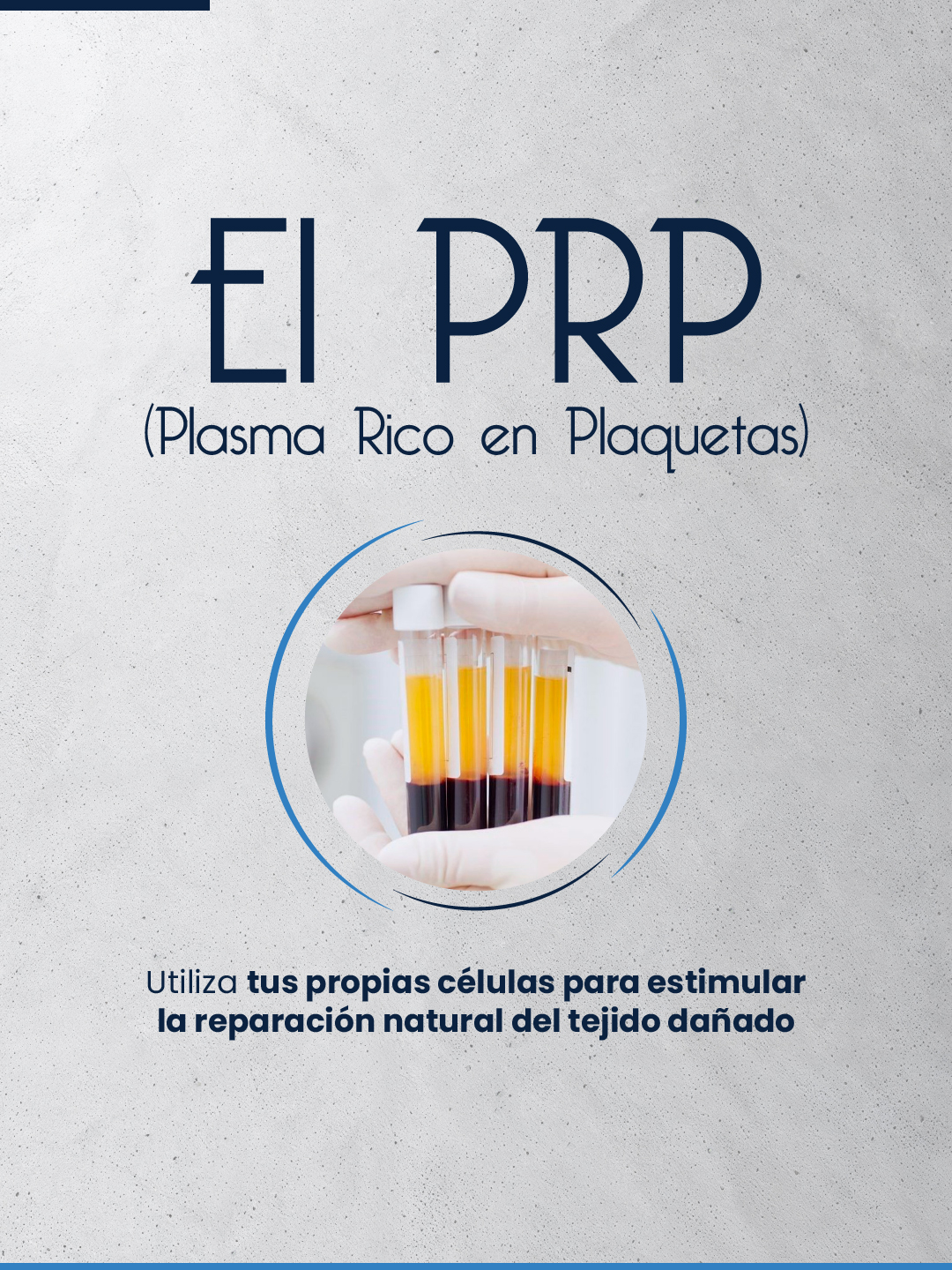
How to apply
A blood sample is taken, centrifuged to concentrate the platelets and applied to the indicated site in the same office. Being autologous, there is no risk of rejection. The procedure is outpatient and lasts part of the consultation.
What is PRP?
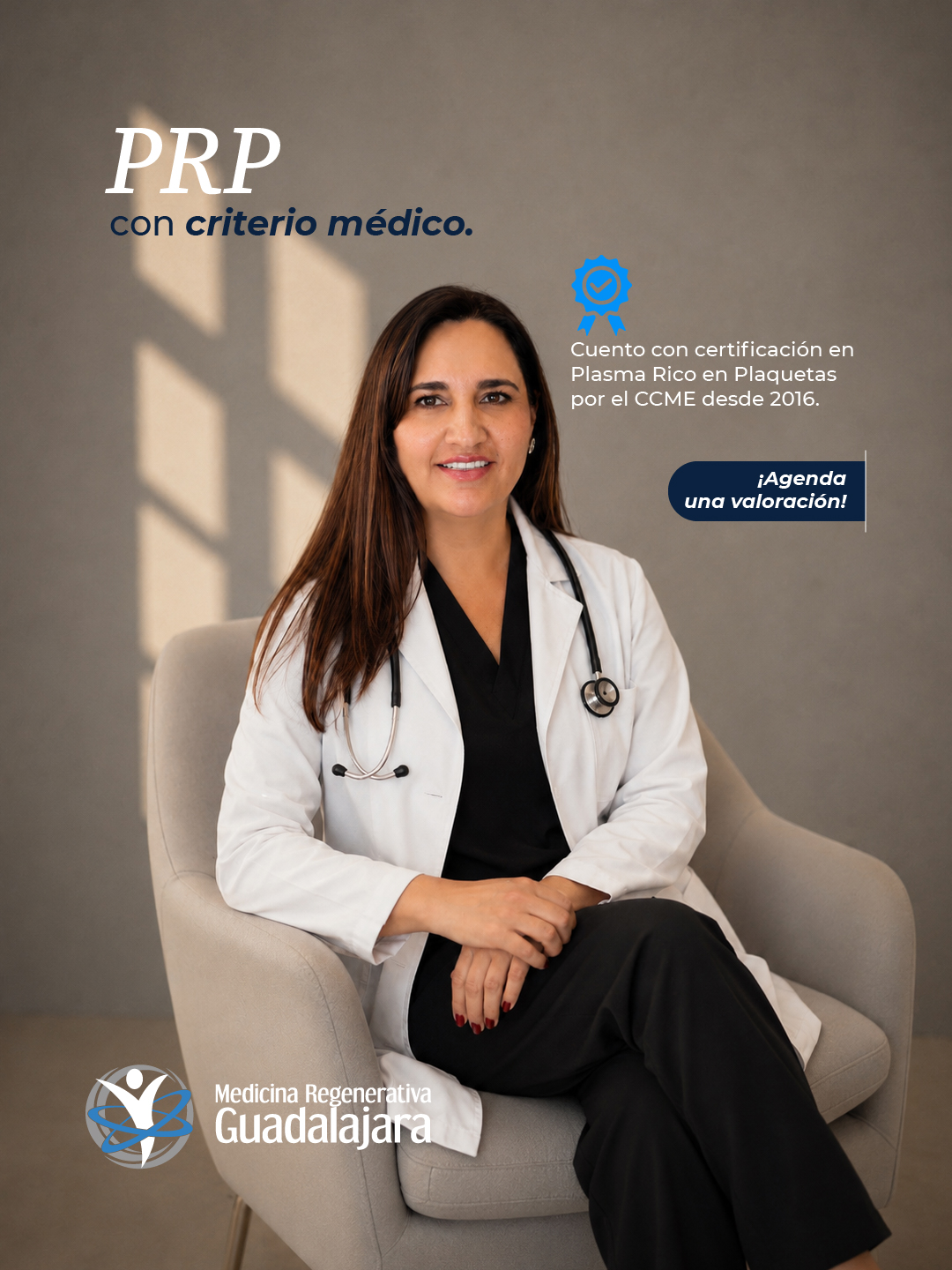
Dr. Andrea Pintor explains what platelet-rich plasma is and in which cases it is considered in a treatment plan.
In what cases is it considered
It is mainly evaluated in mild to moderate knee osteoarthritis, tendinopathy and some sports injuries that have not responded to initial treatment. It does not replace rehabilitation nor is it indicated in all patients.
What to expect and what not
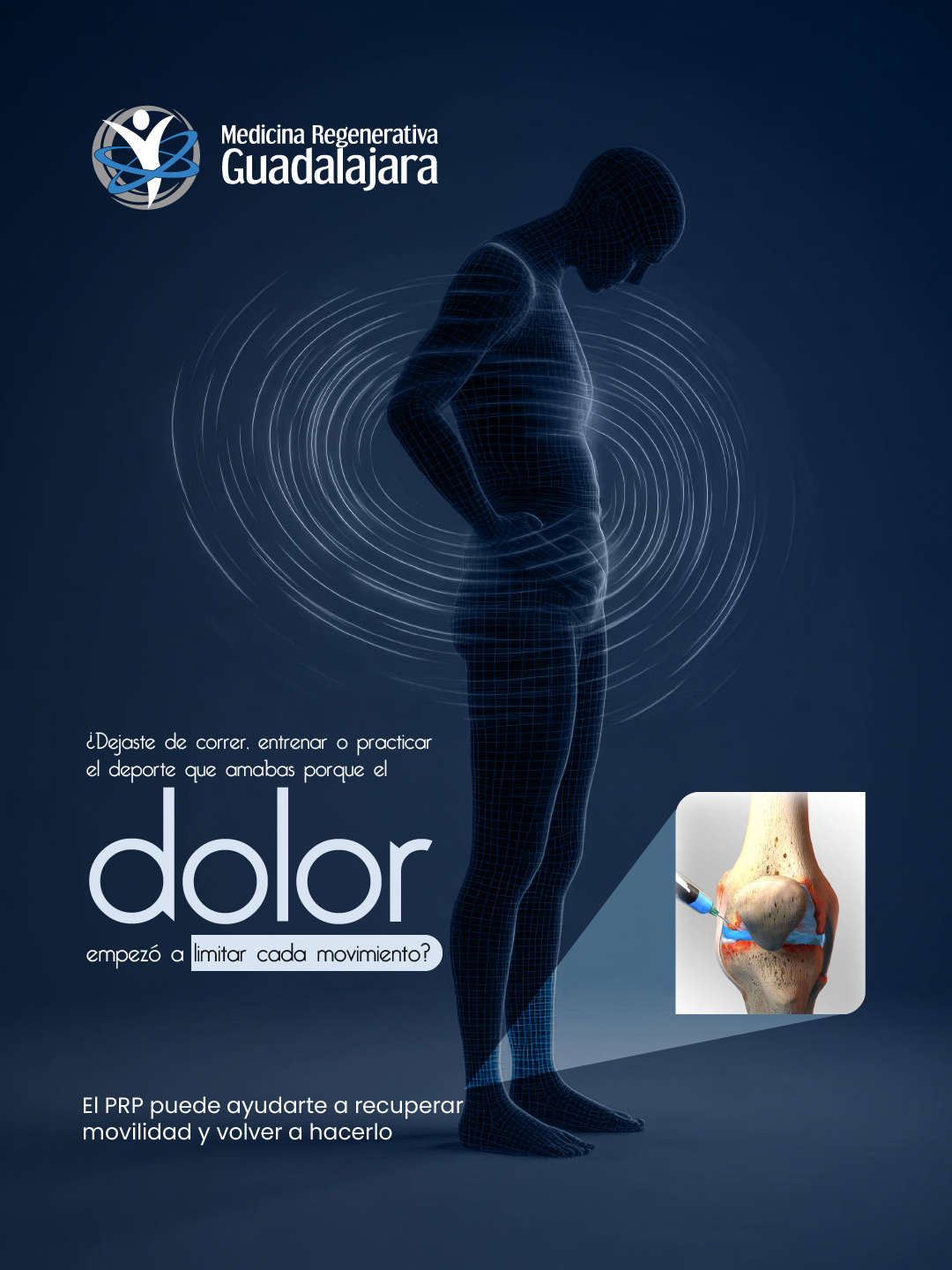
The available evidence shows benefit in pain and function in selected patients, with variable results between people. It is not a cure for wear and tear nor does it guarantee avoiding future surgery. Anyone who promises otherwise is misinforming you.
Contraindications and recovery
It is not applied in active infections, certain coagulation or platelet disorders, or in some oncological or hematological processes. After application there may be local discomfort for a few days; Relative rest and progressive resumption of activity are indicated.
What it is and how to obtain it
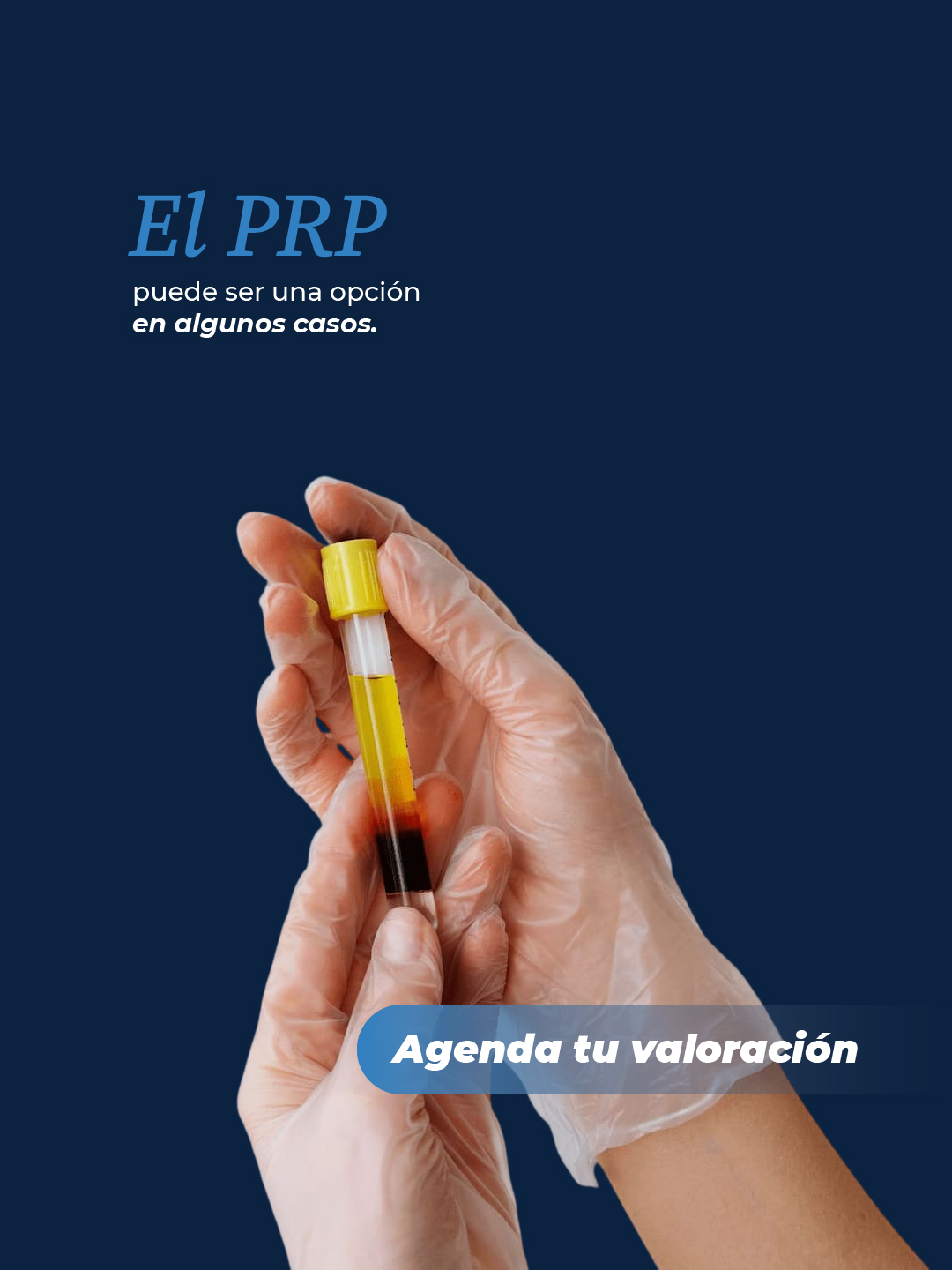
PRP is prepared from a small sample of the patient's own blood, which is centrifuged to separate and concentrate the platelets. These release growth factors that participate in natural tissue repair processes. As it comes from your own blood (autologous preparation) it does not generate rejection, and the procedure is outpatient and minimally invasive. Not all PRP preparations are the same: platelet concentration and preparation technique vary, and that variability helps explain why results differ between studies and between patients [3].
What it is used for and what the evidence says
In orthopedics, PRP is mainly studied in knee osteoarthritis and in some tendinopathies, such as tennis elbow or overuse tendonitis. Several meta-analyses of controlled trials find clinically relevant pain improvement, which appears to depend on platelet concentration [3]. At the same time, a rigorous trial published in JAMA found no differences compared to a placebo infiltration in pain or cartilage at two years [4]. This apparent contradiction reflects that PRP can help some patients, but it is not a guarantee for all: the technique and case selection matter. That is why it is proposed as an option within a conservative plan, combined with therapeutic exercise and weight management [6].
Who is a candidate
Not all people are candidates. The indication is based on an assessment that considers the diagnosis, the severity of the problem, the general condition and previous treatments. Certain conditions—some blood disorders, active infections, or other specific situations—may contraindicate it. Defining the candidacy individually is what allows us to set realistic expectations.
What is a session and recovery like?
After the assessment, the blood sample is taken, processed and infiltrated into the area to be treated, sometimes with ultrasound guidance for greater precision. The procedure lasts a short time and allows you to gradually resume activity. Simple preparation measures are usually recommended (good hydration and avoiding certain anti-inflammatories the days before, according to medical advice) and aftercare. Temporary discomfort or swelling is common during the first few days. The number of sessions, the interval between them and the follow-up are defined according to the case and the response.
Safety and what to expect
By using components from one's own blood, PRP has a favorable safety profile; The most common is temporary discomfort or inflammation at the infiltration site. Its effects, when they appear, develop gradually in the following weeks [3], so monitoring is part of the treatment and allows adjustment of the plan, which almost always includes exercise and rehabilitation as a basis [6]. When PRP is not the best option for a case, saying so is also part of honest care.
Frequently asked questions
How much does PRP cost?+
The cost is defined in the assessment consultation, because it depends on the number of applications and the joint treated. Prices are not published on this site.
How many sessions are needed?+
Usually a series of applications is planned, separated by weeks, with re-evaluation of the response. The exact number is defined on a case-by-case basis.
Is it painful?+
You feel the puncture and local discomfort that usually lasts from one to three days.
How do I prepare?+
You are instructed to stay well hydrated and review the medications you take with your doctor, especially anti-inflammatories and anticoagulants.
How is PRP therapy applied to knee injuries?+
A blood sample is taken, centrifuged to concentrate the platelets and the preparation is infiltrated into the joint in the same office, with sterile technique. It is an outpatient procedure and does not require general anesthesia.
How long does recovery take after a PRP knee treatment?+
There is usually local discomfort for one to three days with relative rest, and a progressive resumption of activity in the first week. The response to treatment is assessed over several weeks.
Are there contraindications for PRP on the knee?+
Yeah; certain hematological conditions, active infections or other situations may contraindicate it. That is why the candidacy is defined in the evaluation.
How to prepare for a platelet rich plasma session?+
Good hydration and avoiding certain anti-inflammatories the days before are generally recommended, according to medical indication. The doctor will give specific instructions.
How long does recovery take after a PRP treatment?+
Recovery is usually rapid and activity is gradually resumed; The exact time depends on the case and is explained in consultation.
How to choose where to apply PRP in Guadalajara?+
It is advisable to choose based on the assessment of a specialist who honestly explains the evidence and defines whether PRP is suitable for your case, instead of being guided only by advertising.
You may also find helpful
Related articles
References
- 1.Duong V, Oo WM, Ding C, Culvenor AG, Hunter DJ. Evaluation and Treatment of Knee Pain. JAMA. 2023;330(16):1568-1580.
- 2.Bensa A, Previtali D, Sangiorgio A, et al. PRP Injections for the Treatment of Knee Osteoarthritis: A Meta-Analysis of RCTs. Am J Sports Med. 2025;53(3):745-754.
- 3.Bennell KL, Paterson KL, Metcalf BR, et al. Effect of Intra-articular PRP vs Placebo (RESTORE). JAMA. 2021;326(20):2021-2030.
- 4.Arden NK, Perry TA, Bannuru RR, et al. Non-Surgical Management of Knee OA: ESCEO and OARSI 2019. Nat Rev Rheumatol. 2021;17(1):59-66.
Educational content with clinical review by Dr. Andrea Pintor. It does not replace an individual medical evaluation.