
Knee pain from wear and tear (osteoarthritis) can in many cases be managed with conservative options—therapeutic exercise, weight control, injections, and PRP—before considering surgery. Dr. Andrea Pintor evaluates each case in Guadalajara and explains what options apply according to the evidence.
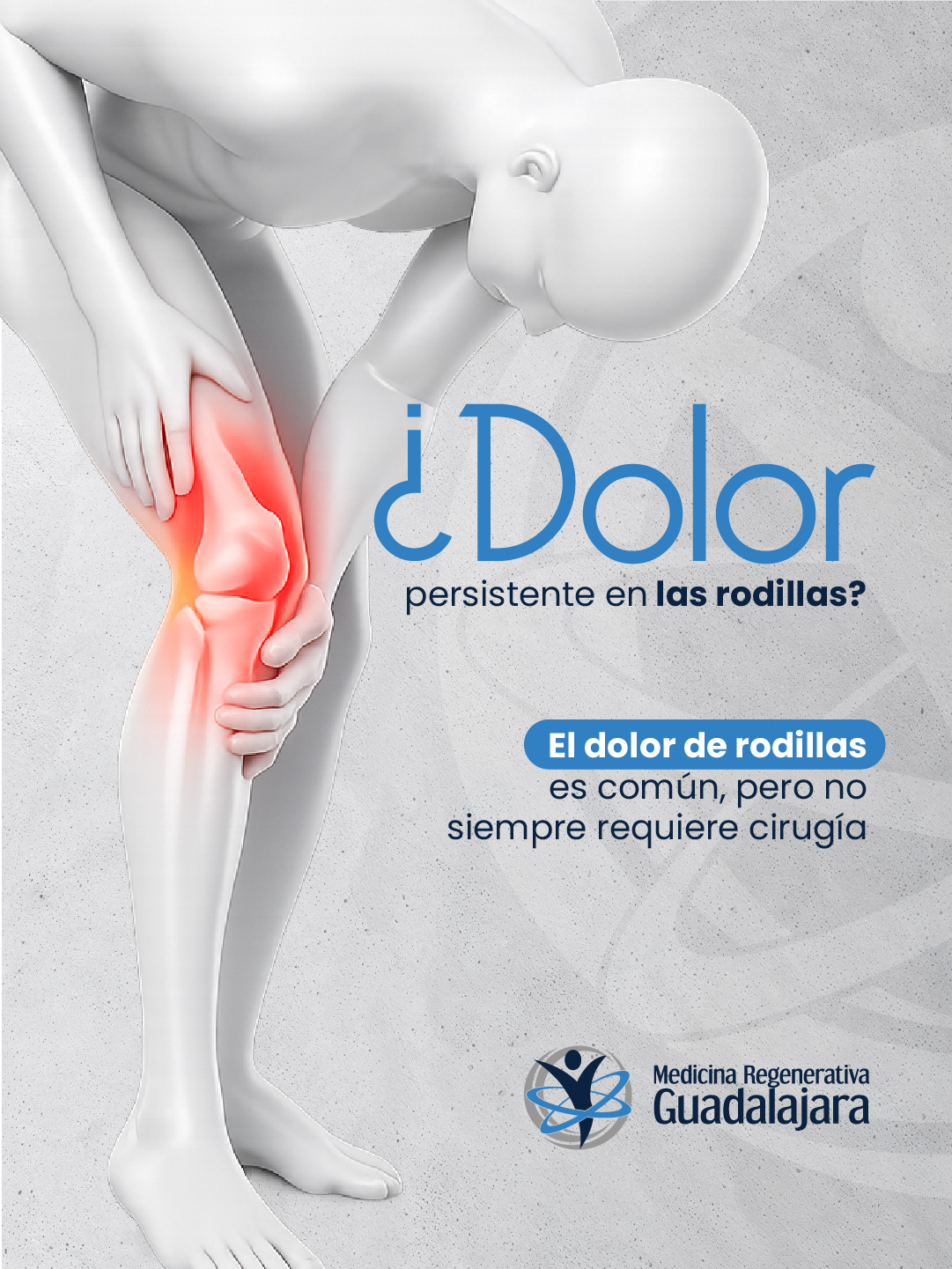
When knee pain stops being normal
Occasional discomfort after exertion is usually not a cause for concern. An evaluation is appropriate when the pain meets any of these conditions:
- It lasts more than six weeks or comes back with less and less effort.
- Wake up at night or hurt at rest.
- It is accompanied by inflammation, local heat or blockages of the knee.
- Limit climbing stairs, walking normal distances, or getting up from a chair.
- It appears after a blow or sprain with a feeling of failure.
Knee pain is not normal
Dr. Andrea Pintor explains why persistent knee pain deserves evaluation, even though it is common.
What is done in the consultation
The consultation dedicates the necessary time to the medical history and a complete physical examination, with a review of the imaging studies you already have or indication of those that are needed. The goal is to understand the origin of the pain and explain it clearly, not just label a diagnosis.
Options before surgery
The conservative plan is put together in stages and adjusted according to response. It may include education and loading control, guided strengthening, body weight management, pain management, and joint injections when indicated. Orthobiologics, such as platelet-rich plasma, are a tool within that plan, not a shortcut or substitute for rehabilitation.
Don't get used to the pain
What signs indicate that joint pain should no longer wait and should be treated in time.
How to decide whether to have surgery or not
The decision does not depend solely on the x-ray: it weighs how much the pain limits your daily life, what has been tried so far and what expectations you have. The assessment honestly explains scenarios, including when conservative treatment is no longer reasonable and surgery is the best alternative.
Why does the knee hurt with wear and tear?
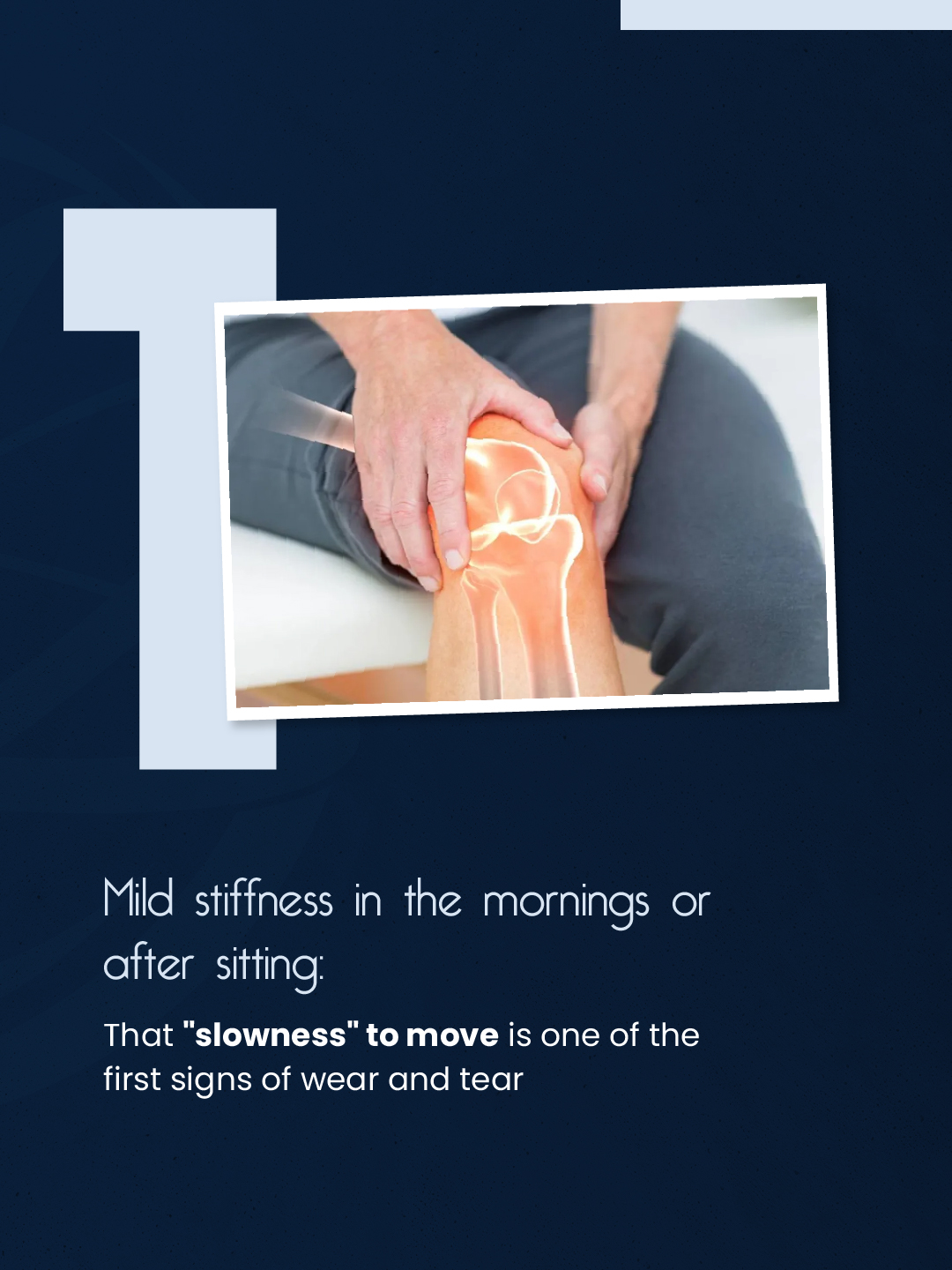
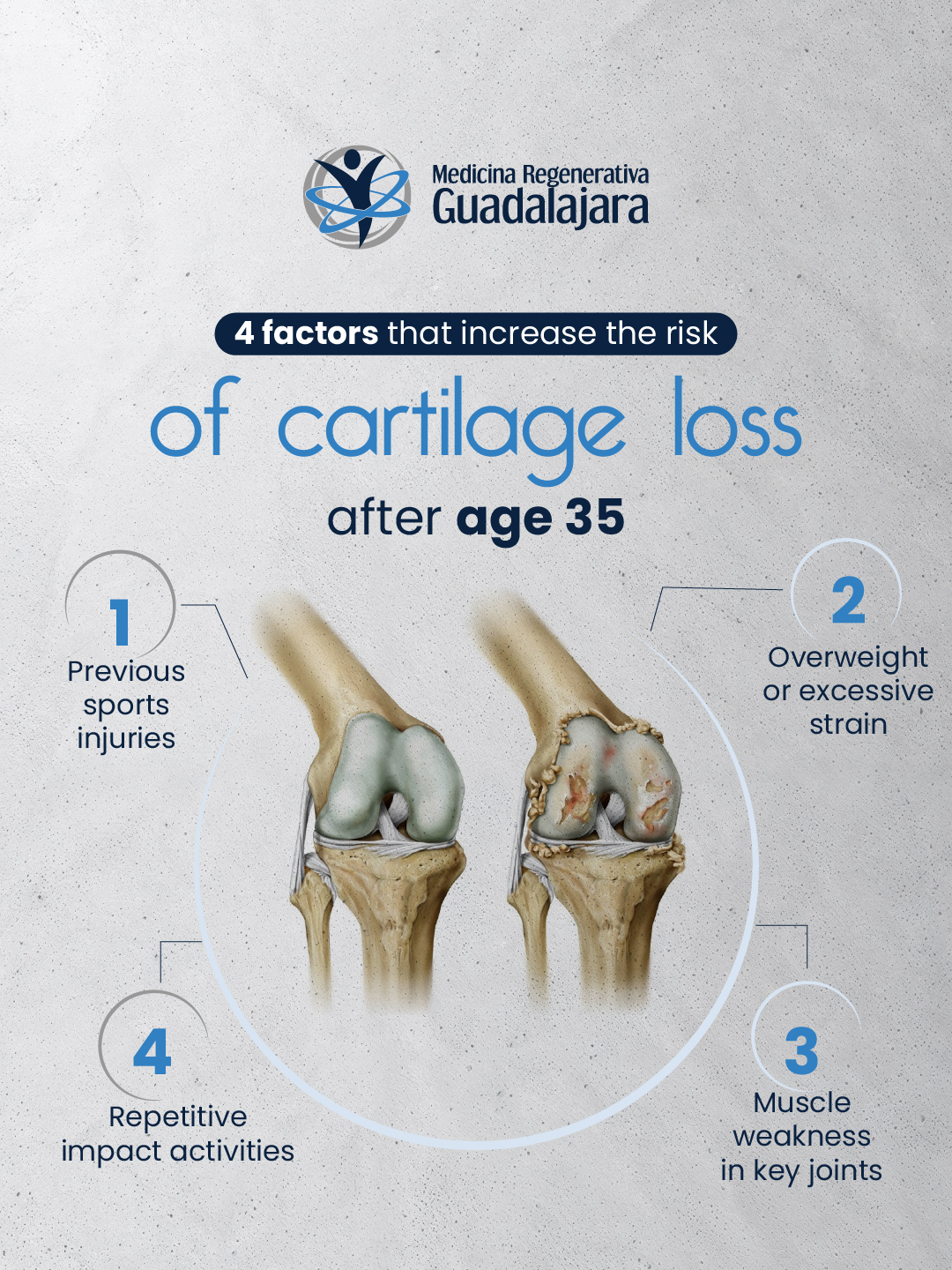
Knee osteoarthritis is the most common cause of chronic joint pain in adults and occurs when the cartilage that covers the joint becomes thin and the underlying bone becomes overloaded [2]. The typical symptom is pain that increases with activity—walking, going up or down stairs, standing from sitting—and brief stiffness upon initiation of movement [1]. Over time, inflammation, clicking, or the sensation that the knee does not respond the same may appear. Wear and tear progresses gradually, so early assessment helps stop overload before it limits daily life. It is worth clarifying a common doubt: joint pain may correspond to a mechanical or wear problem (the field of the orthopedist) or to an inflammatory or autoimmune disease (the field of the rheumatologist); The initial assessment allows them to be distinguished.
What the evidence recommends first
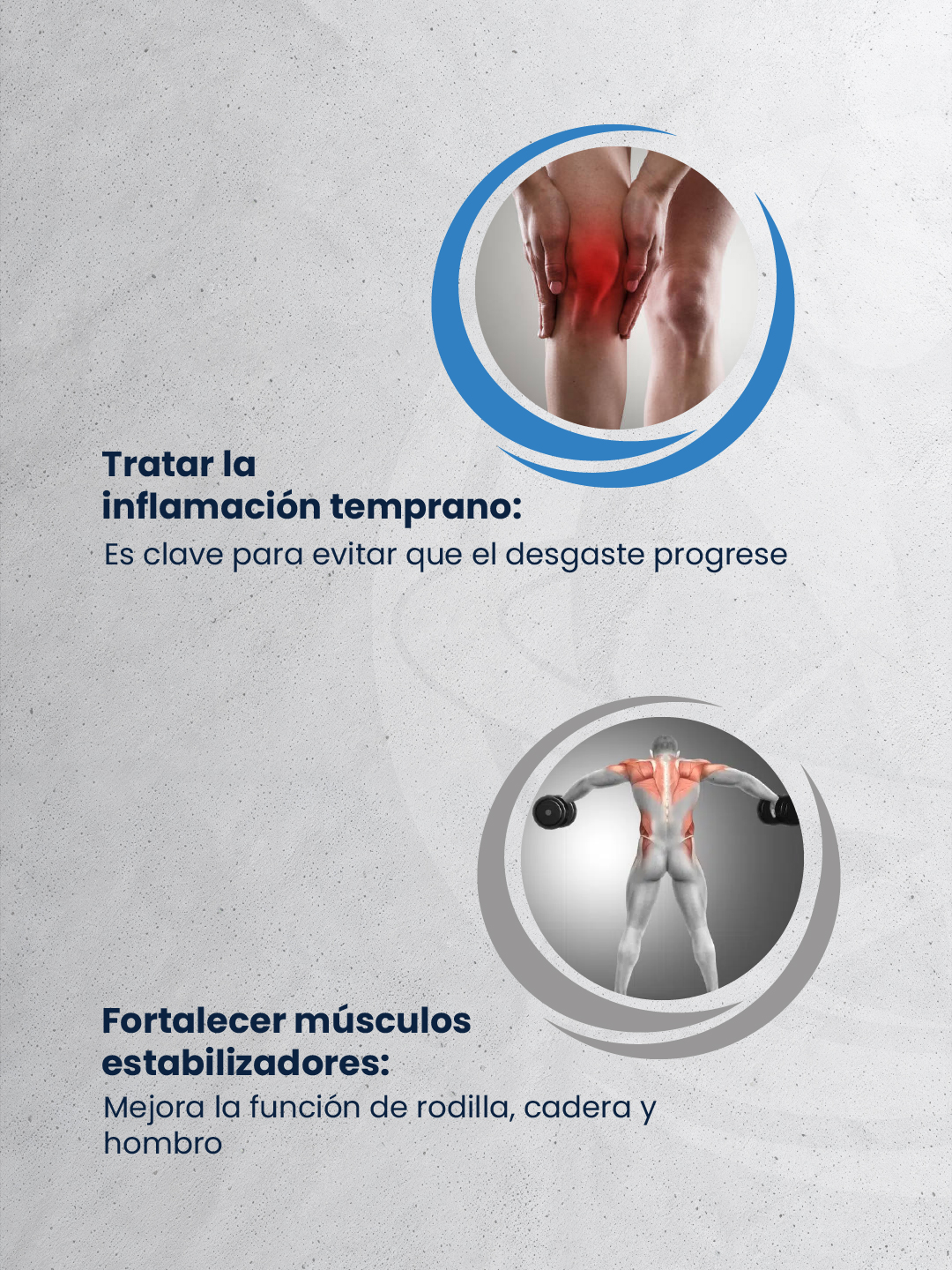
International guidelines agree that the basic treatment of knee osteoarthritis is not a drug or surgery, but rather a program of therapeutic exercise, body weight management and patient education [5][6]. Strengthening and controlled movement unloads the joint, improves function and reduces pain on a sustained basis; Weight reduction decreases the load on the knee with each step [6]. On this basis, analgesics, physiotherapy and supports such as a cane or insoles are added, depending on the case [2]. It is a staircase: you start with the least invasive and only go up a step when the previous one does not control the symptoms. Intra-articular injections and, in selected chronic pain, techniques such as radiofrequency are studied as intermediate options to postpone or avoid joint replacement [7].
Habits that influence wear
Although osteoarthritis has a component that cannot be changed (age, history, previous injuries), several factors are modifiable: being overweight increases the load on the knee, a sedentary lifestyle weakens the muscles that protect the joint, and repeated overload without preparation can accelerate symptoms [6]. Rather than taking care of the knee by avoiding moving it, the evidence points to the opposite: staying active with the right type and dose of exercise is one of the best ways to protect the joint in the long term [5][6].
What about PRP and regenerative therapies?
Platelet-rich plasma infiltrates the knee to provide growth factors from the patient's own blood. The evidence is mixed and honest to acknowledge: some meta-analyses of controlled trials find a clinically relevant improvement in pain, influenced by the platelet concentration of the preparation [3]; However, a rigorous trial published in JAMA (RESTORE) found no differences versus placebo in pain or cartilage volume at two years [4]. That is why PRP is presented as an option to consider in selected cases, not as a guaranteed solution, and it is usually combined with exercise and weight management, not replacing them.
Realistic expectations and when surgery is the best option
Conservative management seeks to reduce pain and improve function, not completely reverse wear and tear. In many cases it allows you to walk again, sleep and move better without undergoing surgery. In others, when the wear is advanced and significantly limits daily life despite treatment, surgery is the best option and postponing it does not provide benefit [2]. Pain that lasts more than three months should no longer be considered normal: it is time to review it.
Frequently asked questions
Can knee wear be reversed?+
The cartilage already lost does not regenerate completely. What can be modified is pain, function, and rate of progression with a sustained treatment plan.
What are the best treatment options for joint pain?+
There is not just one: it depends on the degree of wear, age, activity and associated diseases. That is why the treatment is defined after the assessment and not by telephone.
Should I see an orthopedist or rheumatologist?+
If the pain is in one or two joints, linked to loading, use or a previous injury, the orthopedist is the one indicated. If there are several swollen joints, prolonged morning stiffness, fever or general symptoms, it corresponds to rheumatology; In that case you are guided and referred.
How much does the treatment cost?+
The plan and its cost are defined in the valuation consultation, because they depend on your case. You can schedule through WhatsApp.
Where are there specialized clinics in Guadalajara to treat joint pain?+
Dr. Andrea Pintor's office treats joint pain in the Ladrón de Guevara neighborhood, Guadalajara, with orthopedic evaluation and a conservative plan. When choosing where to see you, check the specialty license, that the diagnosis is explained to you and that you are offered alternatives before surgery.
What are the benefits of PRP for knee cartilage?+
In selected patients with mild to moderate osteoarthritis, studies report improvement in pain and function for a few months. It has not been shown to regenerate lost cartilage; It is considered support within a plan that includes therapeutic exercise.
Where to find clinics specialized in joint pain in Guadalajara?+
Dr. Andrea Pintor treats joint pain with a conservative orthopedic approach in her office in the Ladrón de Guevara neighborhood, Guadalajara. The assessment defines the cause and the options before considering surgery.
When should you see a rheumatologist and not an orthopedist?+
If the pain is due to wear or mechanical injury, it is up to the orthopedist; if an inflammatory or autoimmune disease is suspected, see a rheumatologist. The initial assessment helps guide you towards the right specialist.
Do supplements and products work for joint pain?+
Before purchasing supplements or products on your own, an evaluation is advisable: the appropriate treatment depends on the cause of the pain and self-medication can delay correct management.
You may also find helpful
Related articles
References
- 1.Duong V, Oo WM, Ding C, Culvenor AG, Hunter DJ. Evaluation and Treatment of Knee Pain: A Review. JAMA. 2023;330(16):1568-1580.
- 2.Katz JN, Arant KR, Loeser RF. Diagnosis and Treatment of Hip and Knee Osteoarthritis. JAMA. 2021;325(6):568-578.
- 3.Bensa A, Previtali D, Sangiorgio A, et al. PRP Injections for the Treatment of Knee Osteoarthritis: A Meta-Analysis of RCTs. Am J Sports Med. 2025;53(3):745-754.
- 4.Bennell KL, Paterson KL, Metcalf BR, et al. Effect of Intra-articular PRP vs Placebo on Pain and Cartilage Volume in Knee OA (RESTORE). JAMA. 2021;326(20):2021-2030.
- 5.Kolasinski SL, Neogi T, Hochberg MC, et al. 2019 ACR/Arthritis Foundation Guideline for the Management of Osteoarthritis. Arthritis Rheumatol. 2020;72(2):220-233.
- 6.Arden NK, Perry TA, Bannuru RR, et al. Non-Surgical Management of Knee OA: ESCEO and OARSI 2019. Nat Rev Rheumatol. 2021;17(1):59-66.
- 7.Belba A, Vanneste T, Vanlinthout LE, et al. Radiofrequency Treatment for Chronic Knee Pain in Knee OA. Cochrane Database Syst Rev. 2025;2:CD015865.
Educational content with clinical review by Dr. Andrea Pintor. It does not replace an individual medical evaluation.