
Hip pain can begin without an obvious injury, and not all pain that travels down the buttock or leg comes from the disc. In Guadalajara, Dr. Andrea Pintor assesses the origin of the pain—hip, gluteus, or sciatic nerve—and proposes conservative options before considering surgery.

Why does the hip hurt?
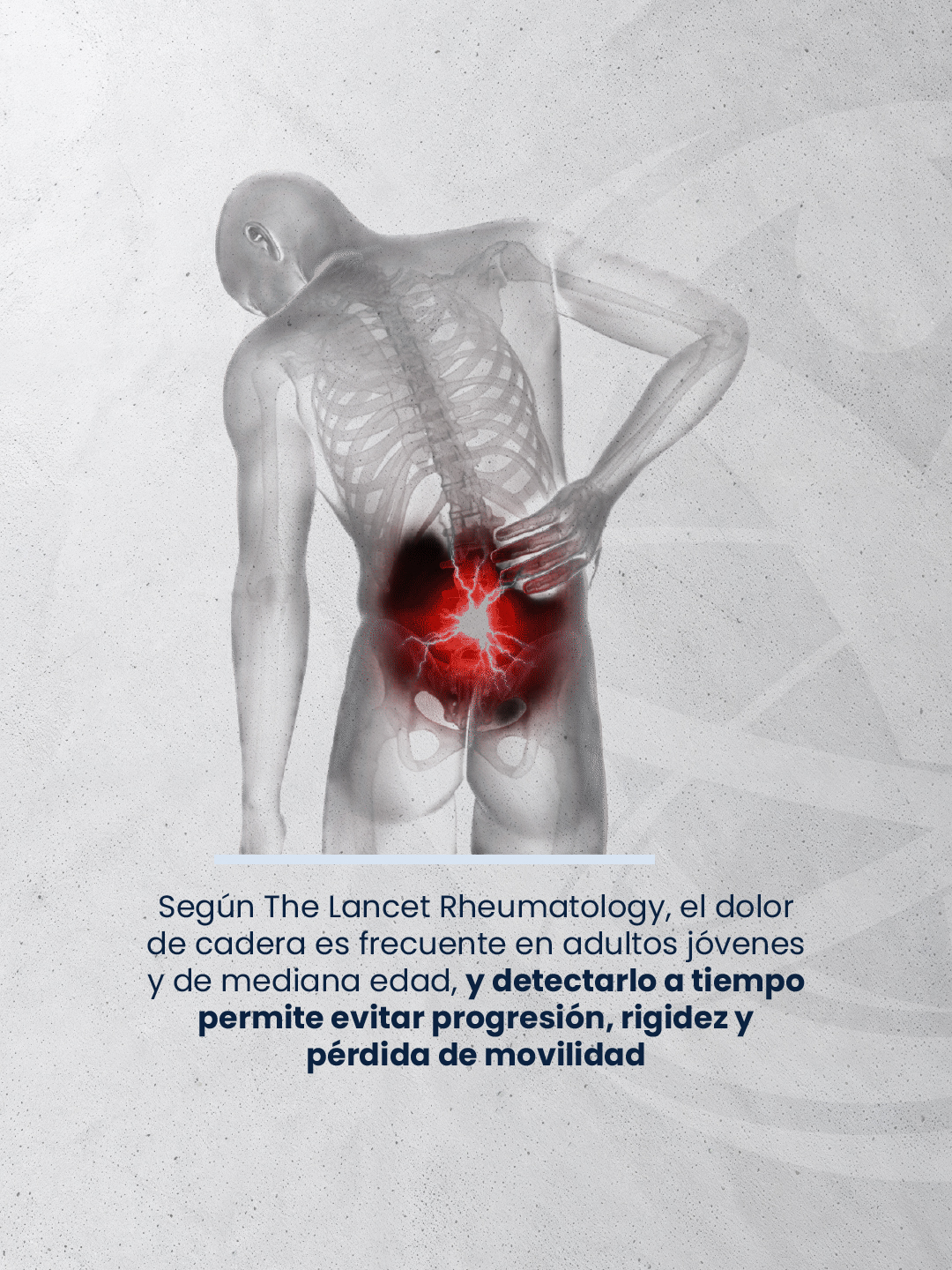
In young and middle-aged adults, hip pain usually comes from tendons and muscles around the joint, from friction between the femur and the edge of the socket, or from initial wear and tear. Many times it starts little by little, without a blow to explain it, and is confused with lower back pain.
- Pain in the groin when crossing your leg, putting on shoes, or getting into the car.
- Discomfort in the lateral aspect of the hip when lying on that side.
- Stiffness when getting up after sitting for a long time.
- Clicking or locking sensation when turning the leg.
Do you have a herniated disc?
Dr. Andrea Pintor explains what a herniated disc means and what you should know before thinking about surgery.
When the pain is sciatica type
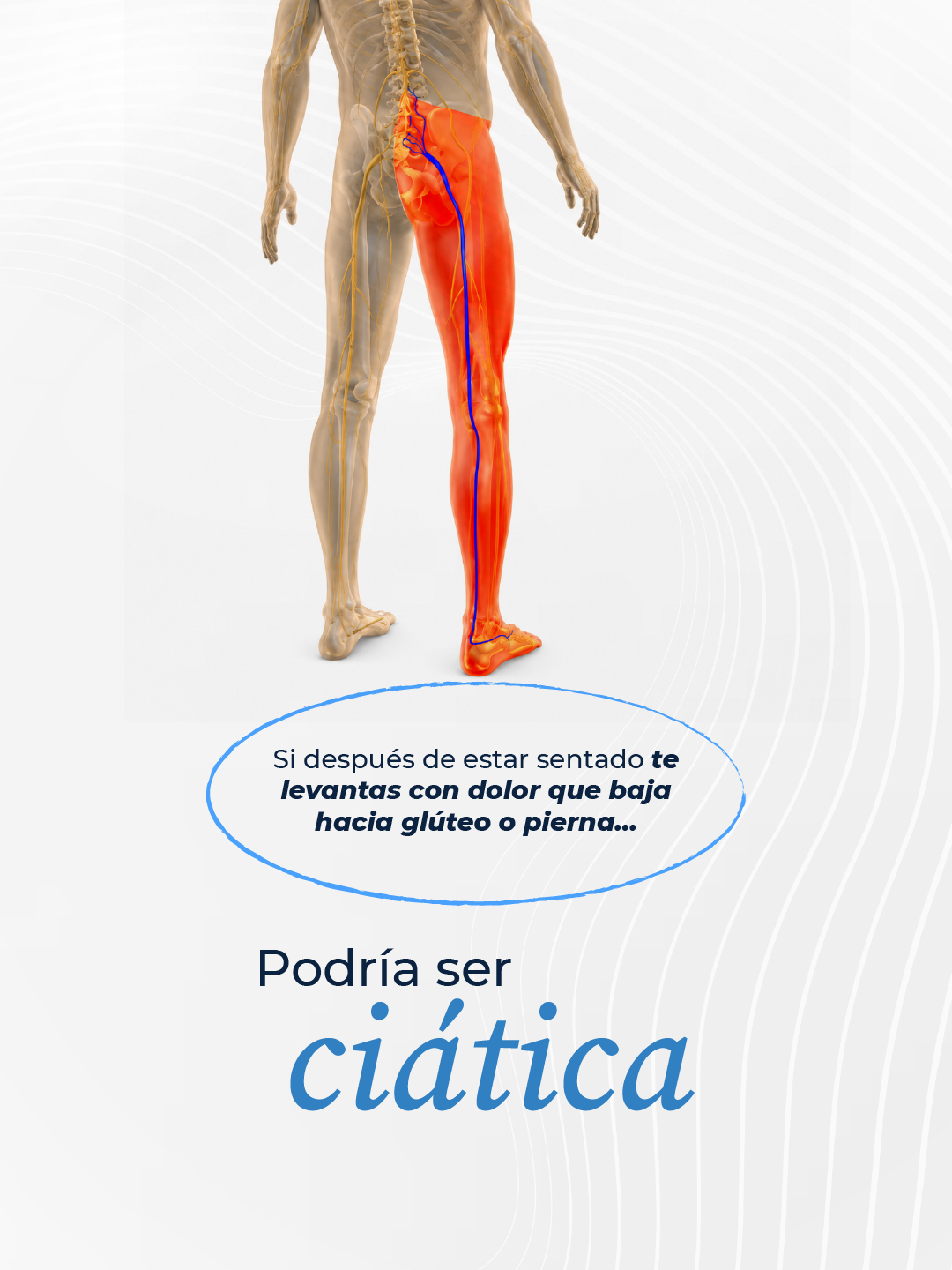
If after sitting you wake up with pain that goes down to the buttock or leg, it may be irritation of the sciatic nerve. There are also gluteal and hip pains that imitate this path without the nerve being compromised; That is why the physical examination is decisive before requesting studies.
- Pain that runs down the back of the thigh or into the calf.
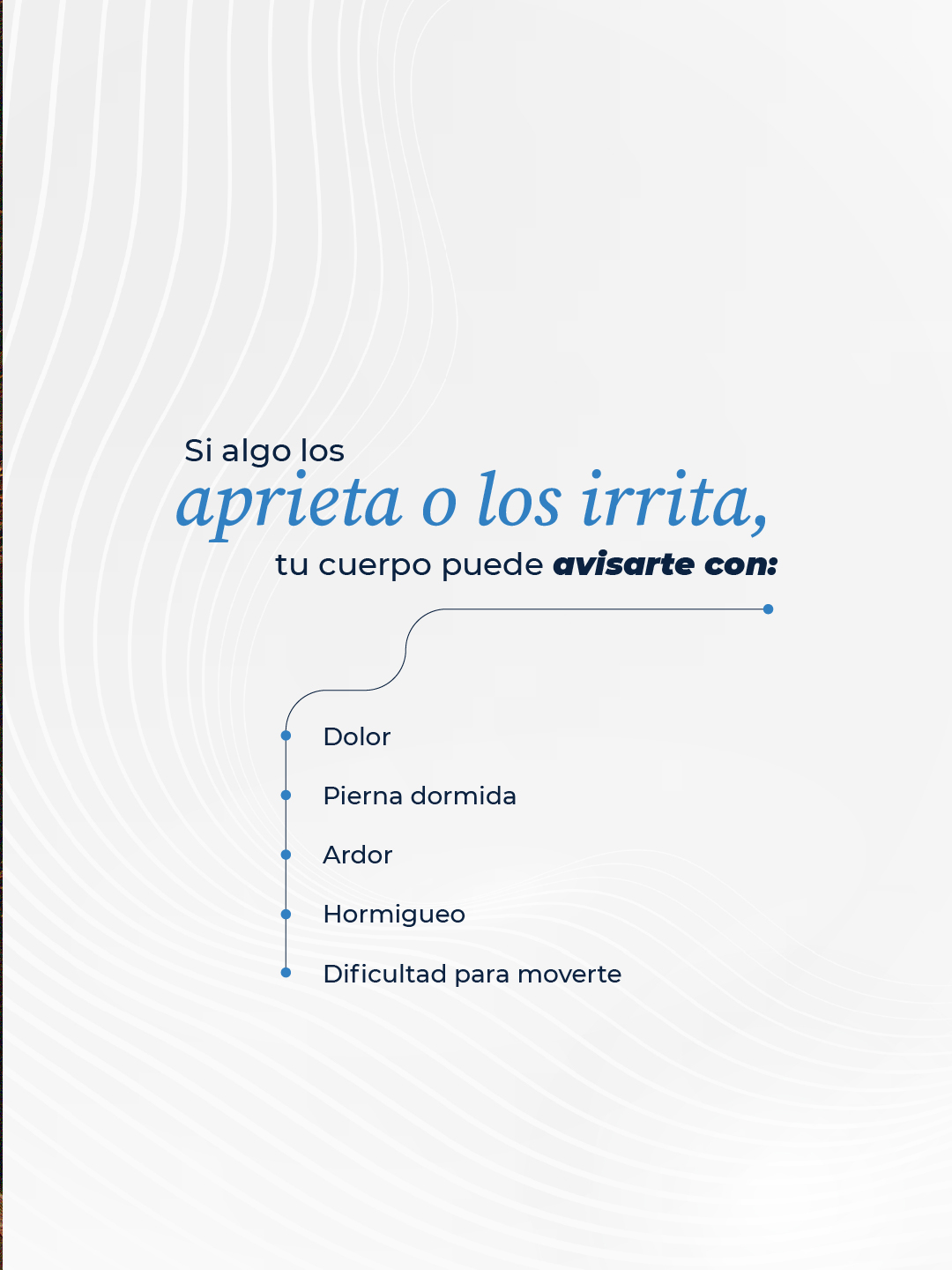
- Tingling, burning, or numbness in the leg or foot.
- It gets worse when sitting for a long time, coughing or sneezing.
- Sensation that the leg loses strength when walking.
Signs that require prompt attention
Some symptoms should not wait until they pass on their own and deserve evaluation as soon as possible:
- Clear loss of strength in the foot or leg.
- Numbness in the crotch area or changes in urination or bowel movements.
- Pain after a fall with inability to support the leg.
- Pain with fever, weight loss, or severe night pain.
What can be done without surgery
Most of these cases improve with a well-conducted conservative plan: understanding which movements irritate the area, adjusting the load and posture when working seated, targeted exercise for the gluteus and core, and pain management. When indicated, injections are assessed as part of the plan. Surgery is considered only if the condition justifies it and the previous options were not enough.


Frequently asked questions
Is hip pain always osteoarthritis?+
No. In young and middle-aged adults it is more common for it to come from tendons, muscles or friction inside the joint. Osteoarthritis is one of the possible causes, not the only one.
How do I know if it is hip pain or lower back pain?+
Hip pain is usually felt in the groin and worsens with twisting of the leg; The one of lumbar origin usually goes down the back of the thigh and changes with the position of the back. Both can coexist, and examination in consultation allows them to be distinguished.
Does sciatica go away on its own?+
Many episodes improve within weeks with conservative management and adequate movement. If there is loss of strength, persistent numbness, or the pain does not subside, evaluation is required.
Do I need an MRI before the consultation?+
It is not necessary to arrive with studies. First, the examination is done and, if necessary, the appropriate studies for your case are indicated.
Does a herniated disc always need surgery?+
No. Most herniated discs improve with conservative treatment: activity adjustment, targeted exercise, and pain management. Surgery is considered only in specific cases, such as progressive loss of strength or pain that does not subside with treatment.